
What does levothyroxine look like — pill colors, shapes, markings, and how to identify
Table of Contents
- 1. What does levothyroxine look like
- 2. Common tablet colors, shapes, and sizes
- 3. Brand vs. generic appearances (comparison table)
- 4. How pill markings and codes help identify levothyroxine
- 5. Dosage strengths and color coding
- 6. How to tell levothyroxine apart from other medications
- 7. What to do if your pill appearance changes
- 8. Storage, handling, and safety tips
- 9. When to contact your pharmacist or doctor
- 10. Quick FAQ
What does levothyroxine look like
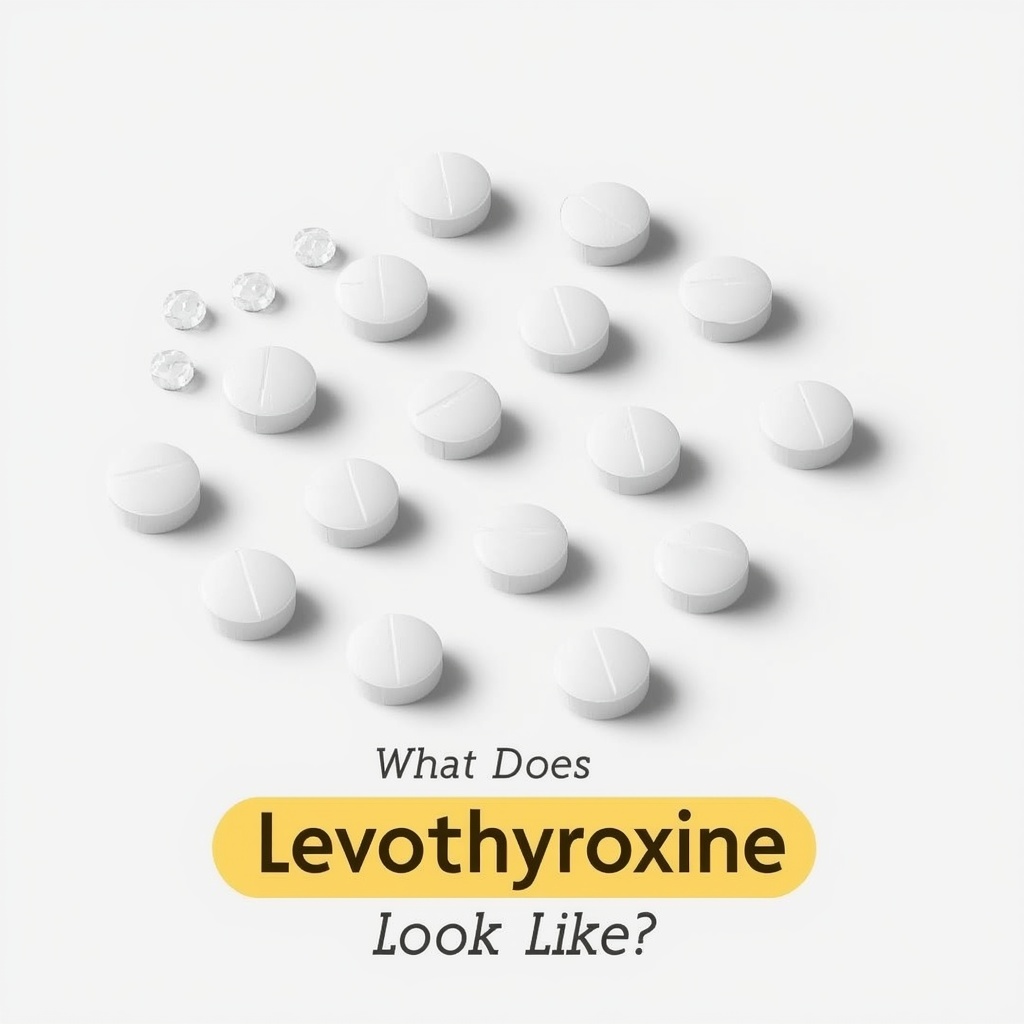
Levothyroxine is a synthetic thyroid hormone prescribed to treat hypothyroidism and some forms of goiter. If you've been prescribed levothyroxine, you may notice variations in tablet appearance depending on the manufacturer, dose, and whether it's a brand name or generic product. Generally, levothyroxine tablets are small, thin, and often scored (a groove to split the pill), but color, imprint codes, and exact shape can vary significantly.
Thyroid hormone replacement therapy plays a vital role in supporting normal metabolism and overall well-being. Patients often need uninterrupted access to their medication for consistent results. Many individuals prefer to buy Synthroid without prescription online because it offers a convenient and efficient way to obtain this commonly prescribed thyroid medication.
The phrase "What does levothyroxine look like" is a common search because patients want to confirm they received the correct medication. Identification relies on a combination of visual cues—color, shape, size, and pill markings—and verification with your prescription label or pharmacist. Never rely on appearance alone; always cross-check with the dispensing information.
Common tablet colors, shapes, and sizes
Levothyroxine tablets come in multiple colors: white, pale yellow, orange, pink, and even greenish hues in some formulations. Shapes are usually round or oval and often relatively thin. Many brands produce chewable or liquid formulations, which look different from standard tablets.
Some general visual patterns to expect: - Most generic levothyroxine tablets are white or off-white. - Brand-name tablets (like Synthroid, Euthyrox, Levoxyl) may use specific colors or distinctive imprints to indicate strength. - Scored tablets are common so doses can be split when needed.
Brand vs. generic appearances (comparison table)
Brand-name manufacturers often standardize pill appearance across pharmacies and countries, while generic manufacturers may vary pill color or imprint. Below is a concise comparison of some widely used brands and generic levothyroxine to help you recognize differences.
| Product | Typical Appearance | Notes |
|---|---|---|
| Synthroid (brand) | Round/oval, variable colors by dose, often scored, distinctive imprint | Common in the U.S.; consistent imprinting helps ID |
| Levoxyl (brand) | Round, coated, color varies by strength | Less common than Synthroid but similar appearance strategy |
| Euthyrox (brand) | Small tablets; color-coded by strength in many countries | Popular in Europe and other regions |
| Generic levothyroxine | Usually white/off-white, variable imprints and shapes | Appearance can change between manufacturers and lots |
How pill markings and codes help identify levothyroxine
Pill markings—letters, numbers, or logos pressed into the tablet—are one of the most reliable visual clues to identify levothyroxine. Pharmacists use imprint codes to match each tablet to a specific manufacturer and strength. Online pill identifiers can also help, but the most dependable verification is your pharmacy’s label and pharmacist confirmation.
Common markings include combinations like "L10", "Synthroid" plus a number, or unique alphanumeric codes assigned by the maker. Keep in mind that the same code can sometimes be used by different manufacturers in different countries, so context matters: check the prescription label for manufacturer name and strength.
Dosage strengths and color coding
Some manufacturers color-code levothyroxine tablets by dose to minimize dosing errors. For instance, low doses might be light yellow while higher doses are orange or pink. However, color coding is not universal—especially among generics—so you should not depend on color alone to determine dose.
| Common Strength (mcg) | Typical Color (varies by brand) | Notes |
|---|---|---|
| 25 mcg | Yellow/pale | Often scored to split into 12.5 mcg if required |
| 50 mcg | White or orange | Most frequently prescribed starting dose |
| 75 mcg | Orange/peach | Intermediate dose; appearance differs by brand |
| 100-200 mcg | Pink, reddish, greenish (varies) | Higher doses often use distinct colors to avoid confusion |
Because manufacturers can change colors and imprints, always check the prescription label after each refill. If the pill looks different from the previous supply, ask your pharmacist for clarification before taking it.
How to tell levothyroxine apart from other medications
When you're answering "What does levothyroxine look like," it's useful to know practical steps for distinguishing it from other pills. Here are quick, actionable methods:
- Compare the pill to your current prescription label, noting strength and manufacturer.
- Check the pill’s imprint using an online pill identifier—enter letters/numbers and color/shape.
- Keep medications in original bottles; avoid mixing pills in one container.
- When in doubt, contact your pharmacist before taking a medication that looks unfamiliar.
What to do if your pill appearance changes
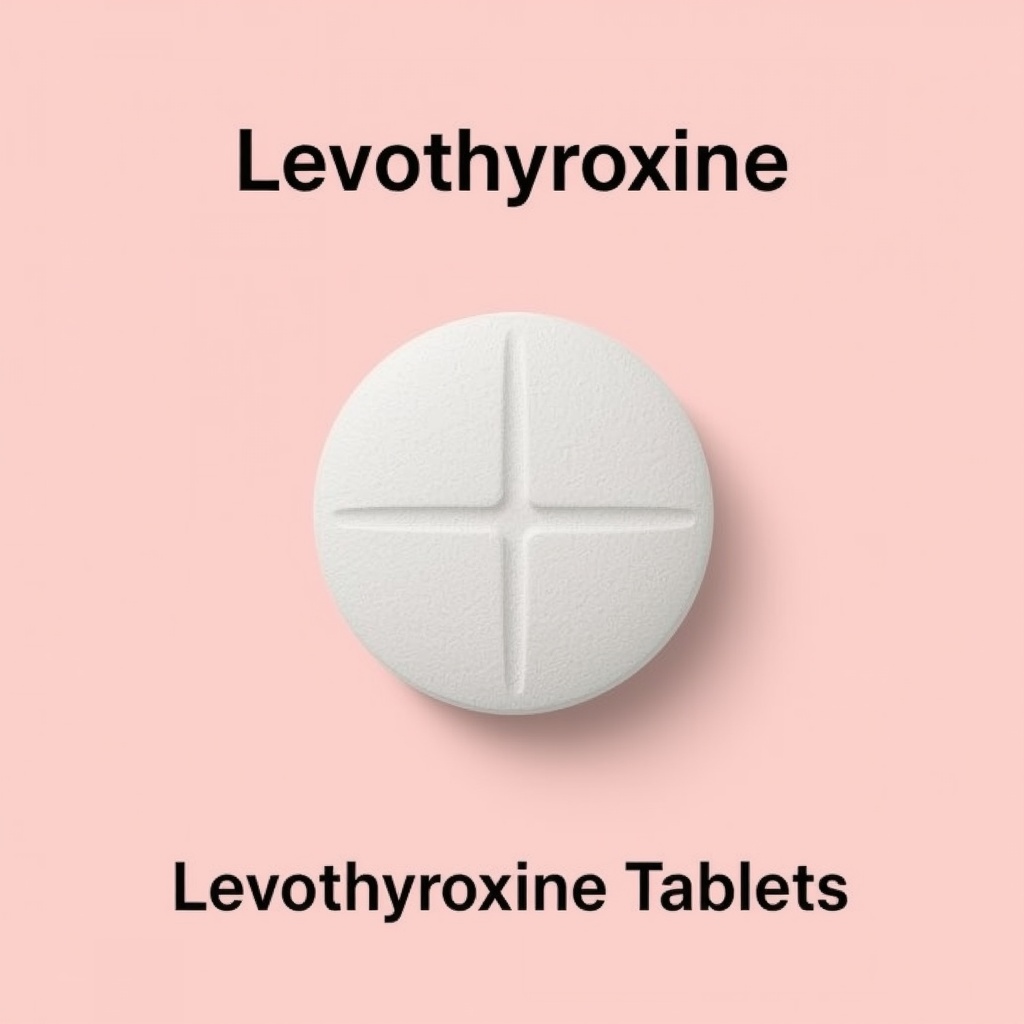
Occasionally, a pill will look different at refill time. This can happen if your pharmacy switched generic manufacturers, if the brand updated packaging, or due to supply issues. If the appearance changes, follow these steps:
- Compare the new pills with the printed prescription label for drug name, strength, and manufacturer.
- Call the pharmacy and ask whether the manufacturer or lot has changed.
- Do not stop taking levothyroxine abruptly—changes in thyroid hormone levels can cause symptoms.
- If the pharmacy cannot confirm the pill identity, ask them to verify with the wholesaler or replace it.
Remember that while color and shape can change, the active ingredient—levothyroxine sodium—should remain the same for the given strength. If you experience symptoms like palpitations, chest pain, severe fatigue, or other concerning signs after a refill, seek medical advice promptly.
Storage, handling, and safety tips
Proper storage helps maintain levothyroxine potency and prevents accidental ingestion. Follow these practical tips:
- Store at room temperature away from direct sunlight and moisture—bathrooms are a bad choice.
- Keep the medication in its original labeled container to avoid confusion.
- Avoid using pill organizers for levothyroxine unless you refill them weekly and keep pharmacy labels for reference.
- Keep out of reach of children and pets—levothyroxine is dangerous if taken accidentally in large amounts.
Also be careful about liquid formulations and chewables—these can have different storage requirements. Consult the packaging or pharmacist for manufacturer-specific guidance.
When to contact your pharmacist or doctor
Contact your pharmacist if: - The pill's imprint is missing or unreadable. - The color or shape changes unexpectedly and you need confirmation. - The pharmacy cannot provide manufacturer information for your refill.
Contact your doctor if: - You notice symptoms that suggest too much or too little thyroid hormone (rapid heartbeat, tremor, weight changes, extreme fatigue). - You've been switched to a different manufacturer and your latest symptoms coincide with the switch.
Quick FAQ
Q: Can levothyroxine tablets be crushed or split? A: Many tablets are scored and can be split, but crushing or splitting should be done only when recommended by your prescriber. Some formulations (especially extended-release or special coatings) should not be altered.
Q: Is color a reliable indicator of dose? A: No. While some brands use color-coding, color is not standardized across manufacturers. Always rely on the prescription label and pill imprint for accurate identification.
Q: Are liquid or chewable levothyroxine forms available? A: Yes. For people who have difficulty swallowing or have absorption issues, liquid or chewable forms exist and will look distinctly different from tablets.
Q: What should I do with old or unused levothyroxine? A: Follow FDA or local disposal guidelines—many communities offer medication take-back programs. Do not flush medications unless the label instructs you to do so.
This guide addressed "What does levothyroxine look like" by describing typical tablet colors, markings, brand differences, and practical identification steps. When in doubt, verify with your pharmacist—visual cues help, but label information and professional confirmation are essential to safe medication use.
FAQ
What does a levothyroxine tablet typically look like?
Levothyroxine tablets are usually small and thin, often round or oval, and can be unscored or scored. Color and exact shape vary by manufacturer and dose; many are plain (white, off-white, or lightly colored) and bear an imprint or number used to identify the strength and maker.
Why do levothyroxine tablets come in different colors and shapes?
Manufacturers use different shapes, sizes, colors, and imprints to distinguish product lines, strengths, and brands. Regulatory decisions, marketing, and efforts to reduce medication errors (by making strengths visually distinct) all influence tablet appearance, but there is no single universal design.
Can tablet color or shape reliably tell me the dose of levothyroxine?
No. While some manufacturers color-code strengths, there is no universal standard across all brands and generics. The imprint and your pharmacy label are the reliable ways to confirm dose; don’t assume dose from color or size alone.
How do brand-name and generic levothyroxine tablets differ in appearance?
Brand-name and generic versions often look different because each manufacturer applies its own colorants, tablet presses, and imprints. Active ingredient is the same (levothyroxine sodium), but visual differences are common and expected.
Do manufacturers use color coding for levothyroxine strengths?
Some manufacturers and brands use color coding to help differentiate strengths, but schemes are not standardized across the industry. Color differences may help but should never replace checking the pill imprint and prescription label.
What should I look at on the pill to confirm it’s levothyroxine?
Check the imprint (letters/numbers stamped on the tablet), shape, and packaging. Compare the imprint to your pharmacy bottle, or use a reputable pill identifier tool or contact your pharmacist for verification.
What does it mean if my levothyroxine tablet looks different than usual?
A different appearance can mean you received a different manufacturer or generic substitution, a change in dose packaging, or — rarely — a dispensing error or counterfeit. Verify the drug label and consult your pharmacist before taking it.
Can levothyroxine tablets change appearance while in the bottle?
Tablets can show minor surface changes (discoloration or markings) if exposed to moisture, heat, or light over time. Significant changes in texture, smell, or crumbling warrant disposal and replacement; always check expiration dates and storage recommendations.
Are there liquid or other non-tablet forms of levothyroxine and how do they look?
Yes. Levothyroxine is also available as an oral solution and as soft-gel capsules in some markets; liquids are clear or slightly colored solutions in dropper bottles, and soft gels are smooth, usually translucent. These forms are visually distinct from standard tablets.
How can I identify levothyroxine if the pill has no imprint?
A pill without an imprint is harder to identify. Cross-check the pharmacy label and bottle, and contact the pharmacy immediately. If the tablet truly lacks an imprint and you’re unsure, do not take it until verified by a pharmacist.
Is it safe to take levothyroxine if the tablet looks different from a previous refill?
Usually yes if the pharmacy dispensed the correct medicine and strength but from a different manufacturer. Confirm the label, check the imprint, and call the pharmacist if anything seems off. Never guess based on color or shape alone.
Do levothyroxine tablets look different in other countries?
Yes. Appearance depends on the manufacturer and country-specific brands; the same active ingredient can have different coloring, shapes, or names (for example, Euthyrox, Eltroxin, or Levothroid in other regions).
How should I store levothyroxine pills to preserve appearance and potency?
Store in the original container at room temperature, away from heat, moisture, and direct sunlight. Keep the bottle tightly closed. Avoid storing in bathrooms. Proper storage helps maintain tablet integrity and appearance.
Can I split levothyroxine tablets and will splitting change their appearance?
Some levothyroxine tablets are scored and safe to split, but many are not meant to be altered. Splitting changes appearance (exposed interior, uneven halves) and can affect dose accuracy; consult your prescriber before splitting.
What common imprints or markings appear on levothyroxine tablets?
Imprints vary widely between manufacturers and doses; you may see letters, numbers, or brand initials combined with strength indicators. Because imprints are manufacturer-specific, use them alongside the prescription label to confirm identity.
How should I report or verify a suspicious-looking levothyroxine tablet?
Contact your pharmacist immediately. If you suspect a counterfeit or contamination, report to your state board of pharmacy and the FDA’s MedWatch program, and keep the sample and packaging available for inspection.
How does the appearance of Synthroid compare to generic levothyroxine?
Synthroid (a major brand) has manufacturer-specific imprints, shapes, and colors that differ from generics. Generics made by different companies will look different from Synthroid; the active ingredient is the same, but visual differences are common.
How does levothyroxine look compared with Euthyrox or Eltroxin?
Euthyrox and Eltroxin are regional brand names and have their own tablet designs and imprint systems, so they often look different from levothyroxine products sold under other brand names or generics. Check packaging or local drug directories for images.
How does levothyroxine tablet appearance differ from liothyronine (Cytomel)?
Liothyronine tablets (Cytomel) are a different medication (synthetic T3) and are manufactured with different imprints, shapes, and colors. Although some tablets may be similar in size or color, imprints and packaging distinguish them—verify before taking.
How does the appearance of levothyroxine compare with desiccated thyroid (Armour Thyroid)?
Desiccated thyroid products like Armour are often round tablets with their own color and imprint patterns; visual differences exist but may not be obvious at a glance. Always confirm by imprint and prescription label because the composition and dosing differ.
How can I tell levothyroxine apart from other small white tablets like blood pressure meds or antidepressants?
Don’t rely on color or size alone. Use imprints and the pharmacy label. If multiple medicines look similar in your pillbox, repackage them into a clearly labeled organizer, or speak to your pharmacist about blister packs or multi-dose packaging to prevent confusion.
Are levothyroxine tablets ever capsules, and how do those compare visually?
Some levothyroxine products are offered as soft-gel capsules or liquid-filled capsules; these appear as smooth, translucent or colored gel capsules rather than flat tablets. Soft gels are visually distinct and should be labeled accordingly.
How do low-dose and high-dose levothyroxine tablets compare in appearance?
Lower and higher doses may differ in size, shape, or imprint depending on the manufacturer, but there’s no universal visual rule. The best confirmation is the imprint and the pharmacy dispensing information.
How can I distinguish levothyroxine from look-alike OTC pills like vitamins?
OTC vitamins and levothyroxine may sometimes resemble each other. Separate prescription medication storage from OTC products, check imprints, and match pills to labeled bottles before taking them. If in doubt, consult the pharmacist.
Does generic levothyroxine look different between manufacturers in the U.S. and Europe?
Yes. Different manufacturers in different regions use distinct tablet formulations and marking conventions, so tablets from the U.S. may look unlike those sold in Europe or other markets even for the same dose.
What tools can I use to compare a pill’s appearance to confirm it’s levothyroxine?
Use reputable pill identifier tools that match imprints, shapes, and colors, check manufacturer images on drug databases, and always compare to the pharmacy label. When uncertain, call your pharmacist for verification.
If I find two levothyroxine tablets that look different, how do I know which one to take?
Compare both to the prescription label and imprint list, and contact your pharmacist. Never alternate doses based on appearance alone; your pharmacist or prescriber can confirm which product and strength were intended.
How do Euthyrox or Levoxyl appearance differences affect patients switching brands?
Switching brands can change tablet color and imprint, which may cause confusion but not usually clinical problems. Because bioequivalence issues can matter for thyroid medications, coordinate brand or generic switches with your prescriber and have TSH checked after a change.
Could counterfeit levothyroxine look realistic, and how can I tell?
Counterfeit tablets can mimic legitimate appearance. Verify packaging integrity, check imprints against official databases, confirm the medication with your pharmacy, and report suspicious products. Purchasing from reputable pharmacies reduces risk.
Are there visual signs that levothyroxine tablets have degraded or been contaminated?
Visible discoloration, off-smell, crumbling, stickiness, or powder in the container are signs of degradation or contamination. Dispose of suspect tablets and obtain a fresh supply from your pharmacy.
How can a pharmacist help me identify levothyroxine tablets that look unfamiliar?
A pharmacist can check the manufacturer, NDC numbers, imprint codes, and your prescription record, compare against databases, and confirm whether the dispensed tablet matches the prescribed product and dose. Contact them before taking unfamiliar pills.
If my levothyroxine changes in appearance mid-prescription, should I stop taking it?
Don’t stop without advice. First, confirm with your pharmacy that you received the correct medication and strength. If the pharmacy confirms a manufacturer change, continue as prescribed and consult your provider only if you experience symptoms or suspect an error.